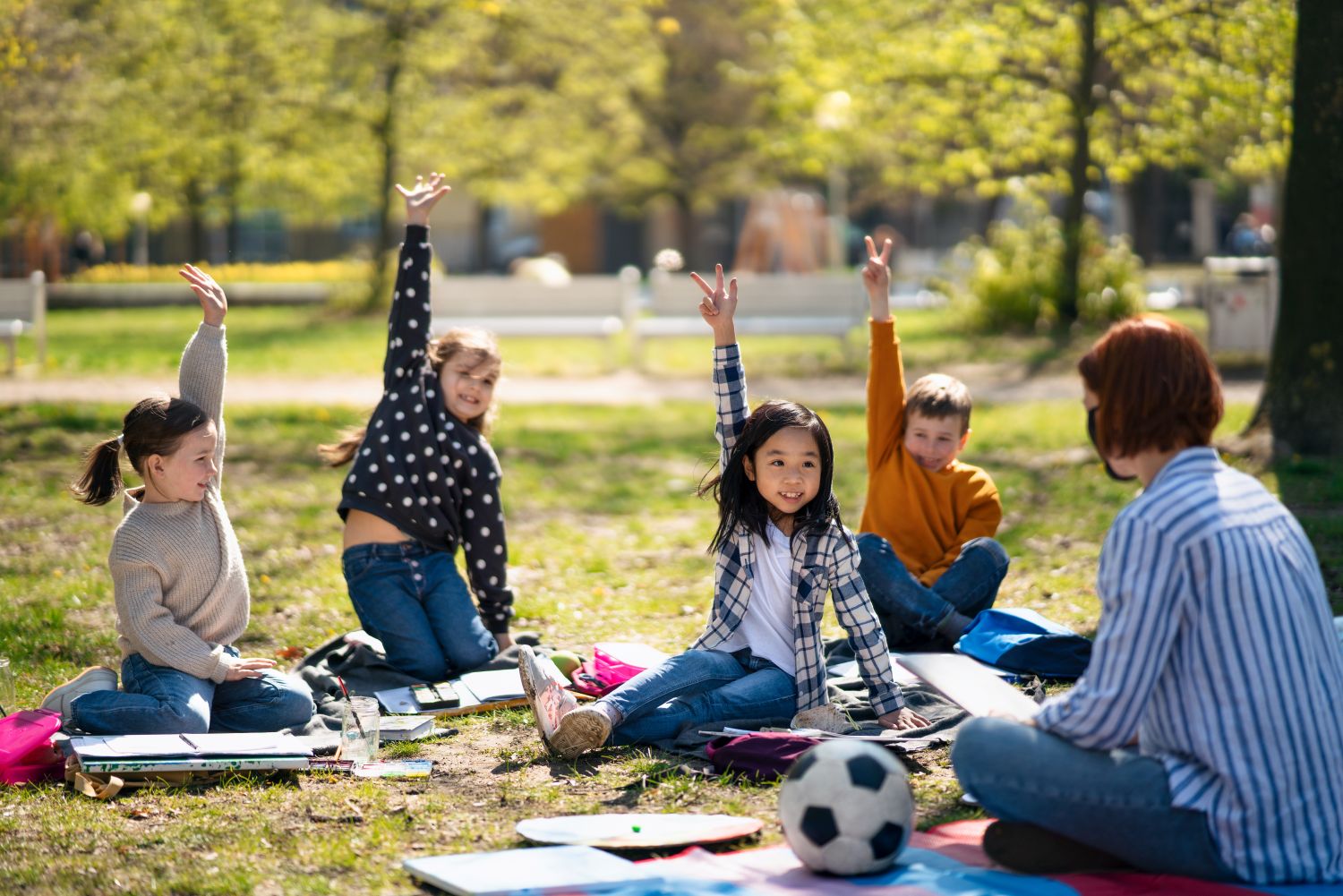
Unlocking the Advantages of Outdoor Learning for Young Minds
In recent years, the concept of outdoor learning has gained traction, with educators and parents recognizing the myriad benefits it offers for children’s development. Moving education outside the confines of the classroom provides a unique opportunity to engage young minds in a way that traditional learning environments often cannot. From enhanced cognitive skills to improved emotional well-being, outdoor learning can unlock a wealth of advantages. Here, we explore the key benefits of outdoor learning for young minds.
1. Enhanced Engagement and Motivation
Learning Through Exploration
Outdoor learning transforms traditional lessons into interactive experiences, sparking curiosity and interest.
- Hands-On Learning: Engaging with nature allows children to learn through experience, making concepts more tangible and memorable. For example, studying ecosystems in a local park can provide a deeper understanding of biology than reading about it in a textbook.
- Increased Motivation: The excitement of being outdoors can boost motivation and enthusiasm for learning. Children are often more willing to participate and engage in activities outside, leading to a more dynamic educational experience.
2. Improved Physical Health
Active Learning
Outdoor learning encourages physical activity, which is essential for the overall health and well-being of children.
- Promoting Exercise: Activities such as hiking, playing sports, or participating in nature walks help children develop their motor skills, coordination, and physical fitness. Regular physical activity is crucial for combating childhood obesity and promoting healthy habits.
- Connection to Nature: Spending time outdoors fosters a connection to nature, which has been linked to improved mental health and reduced stress levels. This connection can instill a sense of responsibility toward the environment.
3. Cognitive Development
Boosting Brain Function
Research indicates that outdoor learning can enhance cognitive abilities in children.
- Increased Creativity: Nature provides a stimulating environment that encourages imaginative play and creative thinking. Children can explore, experiment, and create in ways that are often limited indoors.
- Better Focus and Attention: Studies have shown that time spent in natural settings can improve attention spans and concentration. The calming effects of nature can help reduce stress and anxiety, allowing children to focus better on learning tasks.
4. Social Skills and Teamwork
Collaborative Learning
Outdoor learning often involves group activities that promote social interaction and teamwork.
- Building Relationships: Working together on outdoor projects or participating in group games fosters communication and collaboration among peers. These interactions help children develop essential social skills, such as empathy, cooperation, and conflict resolution.
- Leadership Opportunities: Outdoor learning experiences can provide children with opportunities to take on leadership roles, enhancing their confidence and decision-making abilities.
5. Emotional Well-Being
Stress Reduction and Resilience
The benefits of outdoor learning extend to emotional health, promoting resilience and well-being.
- Stress Relief: Nature has a calming effect, helping to reduce stress and anxiety levels in children. Outdoor settings allow for relaxation and reflection, contributing to overall emotional stability.
- Building Resilience: Facing challenges in outdoor environments—such as navigating a hiking trail or overcoming obstacles during team games—teaches children valuable lessons in perseverance and resilience.
6. Cultural and Environmental Awareness
Fostering Responsibility
Outdoor learning can instill a sense of cultural appreciation and environmental stewardship in young minds.
- Cultural Exploration: Outdoor education can include visits to historical sites, local ecosystems, or cultural landmarks, promoting understanding and appreciation of diverse cultures and histories.
- Environmental Stewardship: Engaging with nature encourages children to learn about ecosystems, conservation, and sustainability. This knowledge can foster a sense of responsibility toward protecting the environment for future generations.
7. Practical Life Skills
Real-World Applications
Outdoor learning provides practical experiences that teach valuable life skills.
- Problem-Solving: Navigating outdoor environments often requires critical thinking and problem-solving skills, such as planning a route, building a shelter, or overcoming physical challenges.
- Resourcefulness: Outdoor activities can teach children how to be resourceful and adapt to changing conditions, skills that are valuable in everyday life.
Conclusion
Outdoor learning offers a multitude of benefits that can significantly enhance the development of young minds. From improved engagement and motivation to cognitive development and emotional well-being, the advantages of learning in a natural setting are clear. By embracing outdoor education, parents and educators can provide children with enriching experiences that foster creativity, resilience, and a lifelong love for learning. As we continue to recognize the importance of holistic education, let us prioritize outdoor learning as a vital component of nurturing well-rounded, capable individuals.