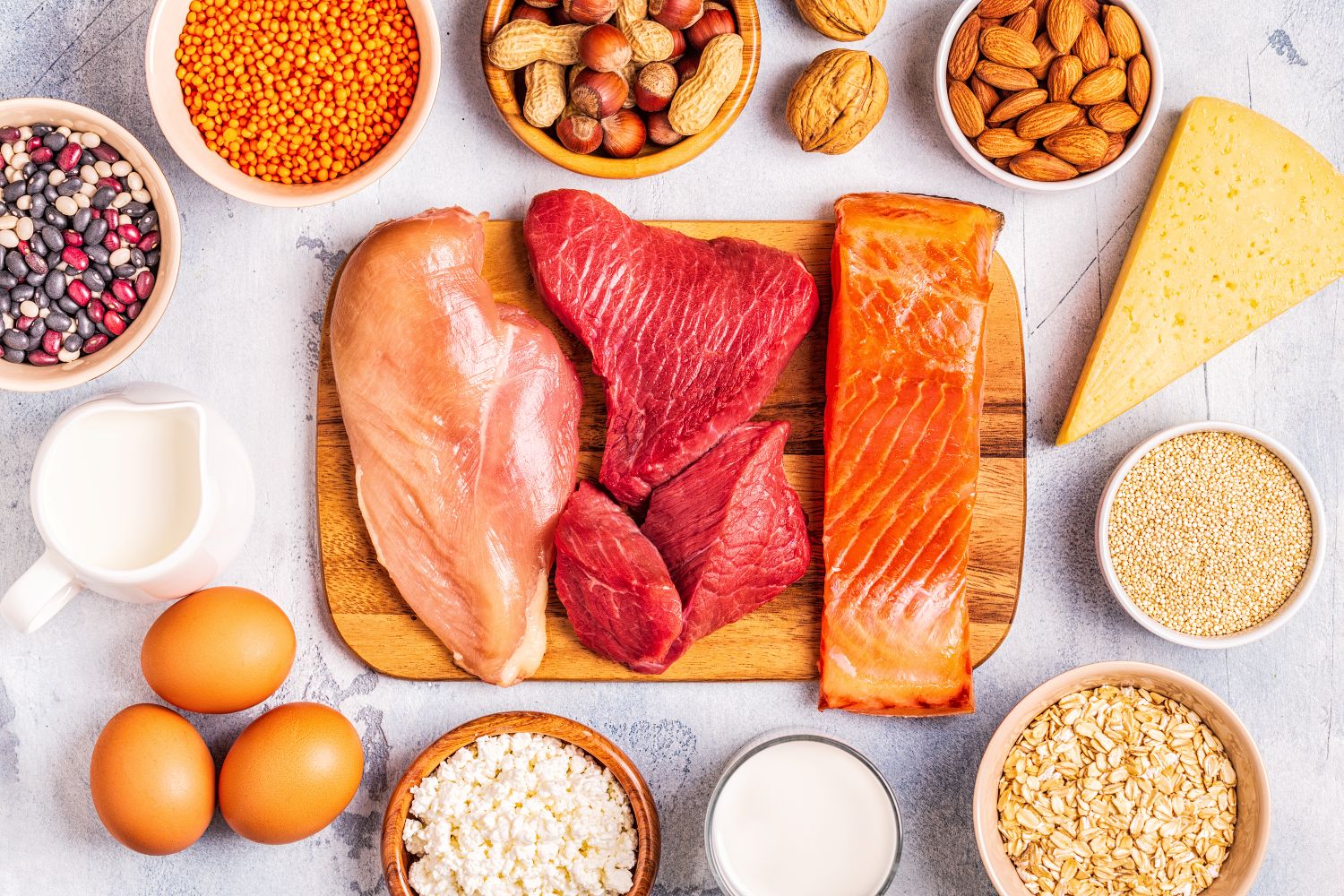
Weighing the Advantages and Drawbacks of Plant vs. Animal Sources
In the quest for a healthy diet, one of the most significant decisions individuals face is choosing between plant-based and animal-based food sources. Both categories offer unique advantages and drawbacks that can influence health, environmental sustainability, and ethical considerations. Understanding these factors can help you make informed dietary choices that align with your health goals and personal values. Here’s a breakdown of the pros and cons of both plant and animal sources of nutrition.
Advantages of Plant Sources
1. Nutritional Benefits
- Rich in Nutrients: Plant-based foods are typically high in essential vitamins, minerals, and antioxidants. Fruits, vegetables, whole grains, legumes, nuts, and seeds provide a wealth of nutrients that support overall health.
- High in Fiber: Plant foods are generally rich in dietary fiber, which aids in digestion, helps regulate blood sugar levels, and promotes a sense of fullness, potentially assisting in weight management.
2. Lower Risk of Chronic Diseases
- Heart Health: Diets rich in plant-based foods are associated with lower cholesterol levels and reduced risk of heart disease. The absence of saturated fats found in many animal products contributes to better cardiovascular health.
- Reduced Cancer Risk: Some studies suggest that a plant-based diet may lower the risk of certain cancers, thanks to the abundance of antioxidants and phytochemicals present in fruits and vegetables.
3. Environmental Sustainability
- Lower Carbon Footprint: Plant-based diets generally require fewer resources (land, water, and energy) compared to animal agriculture, making them more sustainable and environmentally friendly.
- Biodiversity: A diet rich in plants encourages biodiversity and can promote sustainable farming practices that protect ecosystems.
4. Ethical Considerations
- Animal Welfare: Choosing plant-based foods aligns with the ethical concerns surrounding animal farming and welfare. Many individuals opt for plant sources to avoid contributing to animal suffering.
Drawbacks of Plant Sources
1. Nutrient Deficiencies
- Vitamin B12: Plant-based diets can lack vitamin B12, which is primarily found in animal products. This nutrient is crucial for nerve function and the production of red blood cells.
- Iron and Protein: While plant sources contain iron and protein, they may not be as easily absorbed by the body as those found in animal products. Individuals may need to be mindful of their intake and consider fortified foods or supplements.
2. Limited Availability of Certain Foods
- Seasonal and Regional Limitations: Access to fresh, high-quality plant-based foods can vary by region and season, potentially limiting dietary options.
Advantages of Animal Sources
1. High-Quality Protein
- Complete Proteins: Animal products provide complete proteins, containing all essential amino acids needed for muscle repair and overall health. This is particularly beneficial for athletes and individuals with higher protein requirements.
2. Rich in Essential Nutrients
- Vitamin B12 and Iron: Animal-based foods are rich in vitamin B12, heme iron, omega-3 fatty acids (found in fatty fish), and other nutrients that are crucial for health and often less abundant in plant sources.
3. Convenience and Satiety
- Easier Meal Preparation: Many animal-based foods are quick to prepare and can be more filling, which may help with appetite control and satisfaction after meals.
Drawbacks of Animal Sources
1. Health Risks
- Saturated Fats: Many animal products are high in saturated fats, which can contribute to increased cholesterol levels and a higher risk of heart disease if consumed in excess.
- Cancer Risks: Some studies have linked high consumption of red and processed meats to an increased risk of certain cancers, leading health organizations to recommend moderation.
2. Environmental Impact
- Resource Intensive: Animal agriculture is resource-heavy, requiring significant land, water, and energy. It also contributes substantially to greenhouse gas emissions, making it less sustainable than plant-based diets.
3. Ethical Concerns
- Animal Welfare Issues: The treatment of animals in factory farming and industrial agriculture has raised ethical concerns for many consumers, leading some to seek plant-based alternatives.
Conclusion
Choosing between plant and animal sources of nutrition involves weighing various advantages and drawbacks. Plant-based diets offer numerous health benefits, environmental sustainability, and ethical considerations, while animal-based sources provide high-quality proteins and essential nutrients. Ultimately, the best approach may be a balanced diet that incorporates both plant and animal foods, allowing for a diverse intake of nutrients while aligning with personal health goals and values. By understanding the implications of your dietary choices, you can make informed decisions that support your health and well-being while considering the broader impact on the environment and society.